Why Choosing the Right Moisture Level in Herbs Matters for Export Quality
- Sep 1, 2025
- 2 min read
When it comes to exporting herbs and spices, moisture content often determines whether a shipment will be accepted or rejected.
At Tuna Sourcing, moisture analysis is one of the first checkpoints before every export — because stable humidity means stable quality.

Moisture – The Hidden Factor Behind Herb Quality
The Science Behind Moisture Control
Moisture affects color, aroma, microbial growth, and shelf life.If the level is too high, it triggers mold and fermentation.If it’s too low, the product loses essential oils and becomes brittle — both leading to customer dissatisfaction and financial loss.
Ideal Moisture Ranges by Product
Each herb has its own moisture sweet spot:
Oregano: 9–11%
Thyme: 8–10%
Sage: 10–12%
Bay Leaves: 9–13%Maintaining this balance ensures aroma retention and extended shelf stability.
How Tuna Sourcing Controls Moisture Levels
Precision Testing in Every Batch
Each lot of herbs undergoes digital moisture analysis using calibrated instruments.Samples are taken from multiple layers of the bale or bag to ensure accuracy.These readings are logged and cross-checked with historical harvest data for herb quality.
Preventive Actions and Storage Measures
To protect against excess humidity, we use:
Silica gel desiccants in containers
Ventilated liners to prevent condensation
Temperature-controlled drying rooms during processingThis multi-step system ensures uniform drying without overheating the herbs.
Adapting to Destination Climates
Climate-Based Drying Adjustments
Herbs destined for tropical climates are dried to slightly lower moisture levels to compensate for humidity during transit.Conversely, shipments bound for dry regions retain slightly higher moisture to prevent leaf breakage.
Customized Packaging per Market
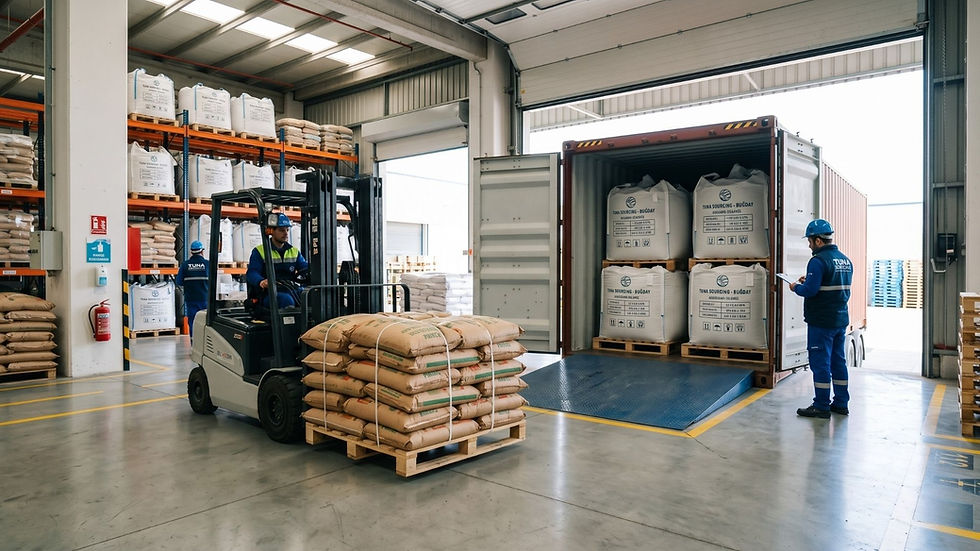
Depending on the destination, Tuna Sourcing selects packaging that supports moisture control — from double-layered craft bags to vacuum-sealed pouches and big bags with protective inner liners.
The Role of AI and Continuous Monitoring
Smart Moisture Prediction
AI-assisted systems track patterns across harvests and help predict drying duration, ideal temperature, and final moisture target for each herb species.
Real-Time Alerts and Quality Logs
If container humidity exceeds safe limits during transit, sensors notify our logistics team, ensuring proactive intervention before arrival.This integration of AI and IoT minimizes losses and upholds quality promises.
Controlling moisture is both science and experience.By applying technology, field data, and regional expertise, Tuna Sourcing delivers herbs that retain their color, aroma, and vitality — no matter where in the world they’re shipped.